
What is Outbound Sales Automation? Check Top Tools in 2026

Outbound sales automation is the use of tools and software to make outbound sales work faster and easier. Instead of doing everything manually, sales teams use automation to find leads, collect contact details, verify them, enrich the data, and reach out to prospects automatically. It saves time, cuts errors, and helps teams focus on talking to real prospects instead of doing busy work.
In this informative blog, we explain what is outbound sales, why automation matters, and the top outbound sales software tools to check in 2026. We start with tools that help you get more leads and run your outbound teams in a more optimized way, saving you time and money.
Why Outbound Sales Automation Matters in 2026
According to industry research, around 75% of sales automation users say automation directly contributes to revenue growth, with companies seeing a 13-15% increase in revenue after adopting AI-driven sales strategies.
Outbound sales are not going away. But the way it works has changed a lot. Buyers today expect relevant messages at the right time across email, LinkedIn, and other channels. Manual work can’t keep up with that.
Without automation, sales reps spend most of their day on admin tasks, like updating spreadsheets and CRMs. They end up with less time to sell. Good automation means:
- ● Faster lead discovery.
- ● Better data quality.
- ● Automated follow-ups.
- ● More time for sales conversations.
That is where outbound sales software and tools come in. They do repetitive work so teams can be more productive and reach the right prospects.
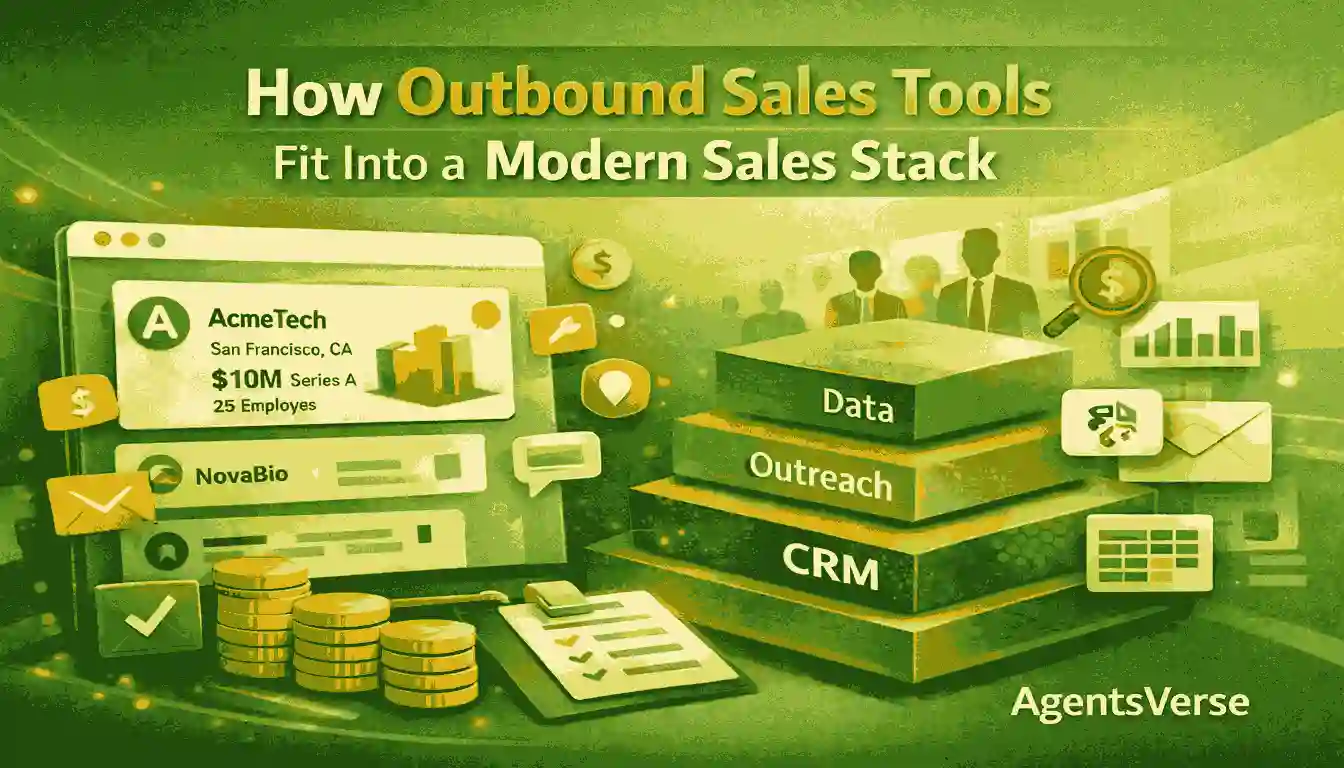
How Outbound Sales Tools Fit Into a Modern Sales Stack
A strong outbound sales stack usually has four main layers:
Data & Prospect Signals
This layer finds target companies and contacts. It also keeps data fresh with signals like new funding, job changes, or buying intent.
Outreach & Engagement
These tools automate emails, calls, LinkedIn messages, and follow-ups.
CRM & Record Keeping
A good outbound sales CRM stores all lead and contact information, tracks conversations, and manages pipelines.
Social & Network Prospecting
This layer focuses on finding prospects where they actually engage, like LinkedIn.
You don’t need every tool in every layer. What matters is picking the right mix for your outbound motion.
Top Outbound Sales Automation Tools in 2026
Below are the top 10 tools you should know in 2026. These tools help with everything from prospecting and data enrichment to CRM and engagement.
1. AgentsVerse Cloud: AI Prospecting Tool for Just Funded Companies
AgentsVerse Cloud is built for teams that want to target just funded companies around the world. Instead of pulling all companies, it tracks explicitly newly funded companies. It means leads are fresher and more likely to be in the market.
AgentsVerse Cloud works as a GTM intelligence platform and AI prospecting tool. It replaces the many tools sales teams usually use. Teams typically use five different tools to find leads, verify contact info, enrich data, and send outreach. AgentsVerse Cloud brings all of that together.
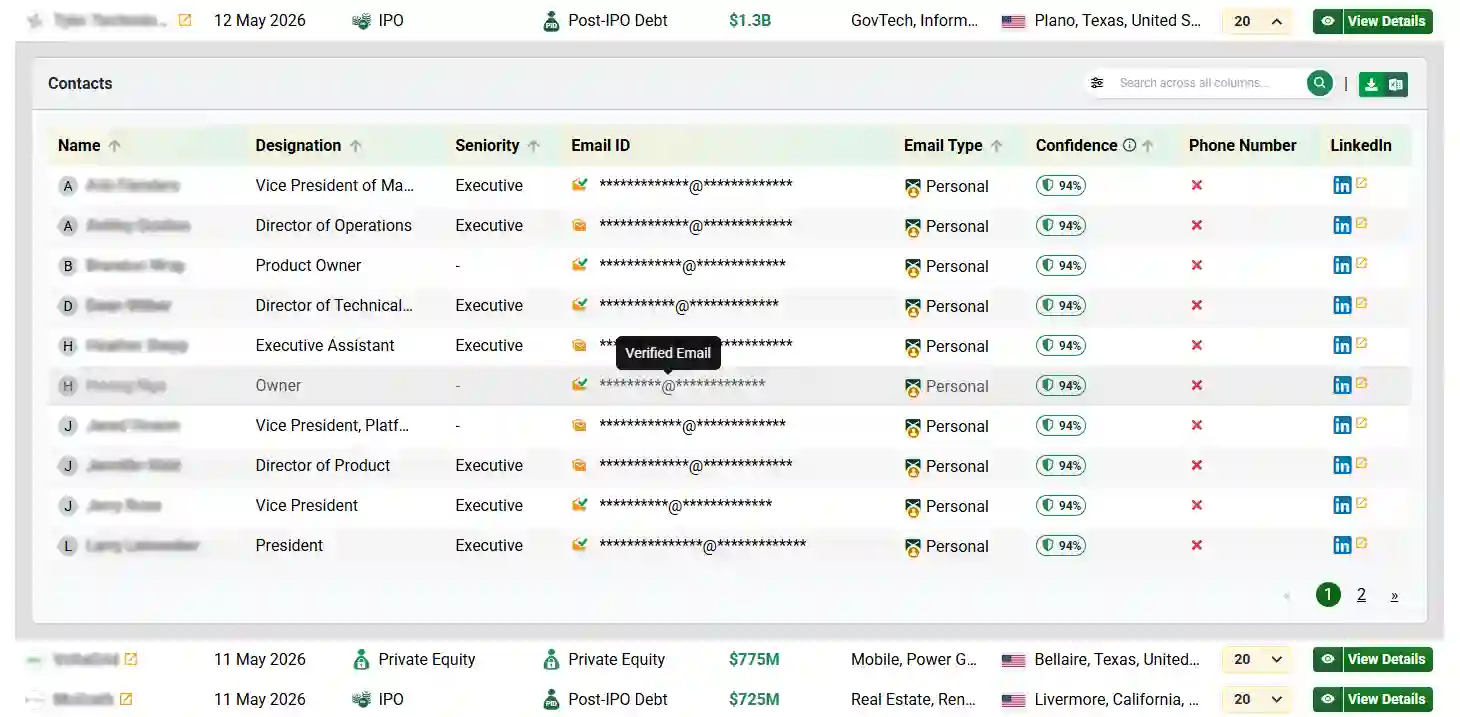
Key Features:
- Tracks just funded companies globally.
- Delivers ~600 leads per month as per your Ideal Customer Profile (ICP).
- Leads delivered every day, fewer on weekends (funding news is slower on Sundays).
- Complete contact discovery (name, title, email, phone, LinkedIn URL).
- Verified and enriched contact information.
- HubSpot integration.
You no longer need separate tools for data, verification, and outreach. With AgentsVerse Cloud, everything is automated and ready to use.
2. Persana AI

Persana pulls data from many sources to tell you which accounts and contacts are worth reaching out to. It can give weekly AI-curated lead lists and update information in real time. It helps you stay ahead with fresh leads.
3. Salesforce Sales Cloud
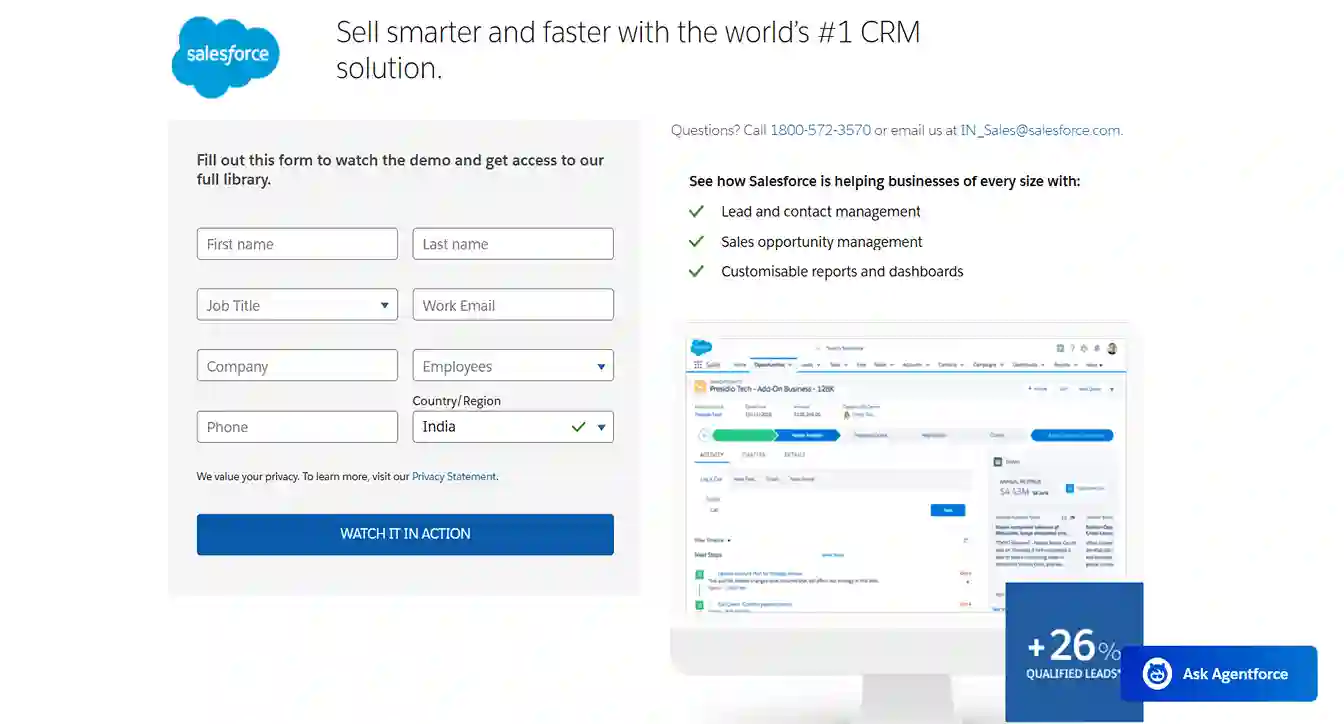
Salesforce captures data automatically, lets you manage pipelines, and offers AI insights that help forecast and spot risks. It’s often used as the central system of record for sales teams.
4. Outreach
Outreach gives structured cadences and tracks engagement analytics. It automates follow-ups so reps don’t have to chase each lead manually.
5. HubSpot Sales Hub
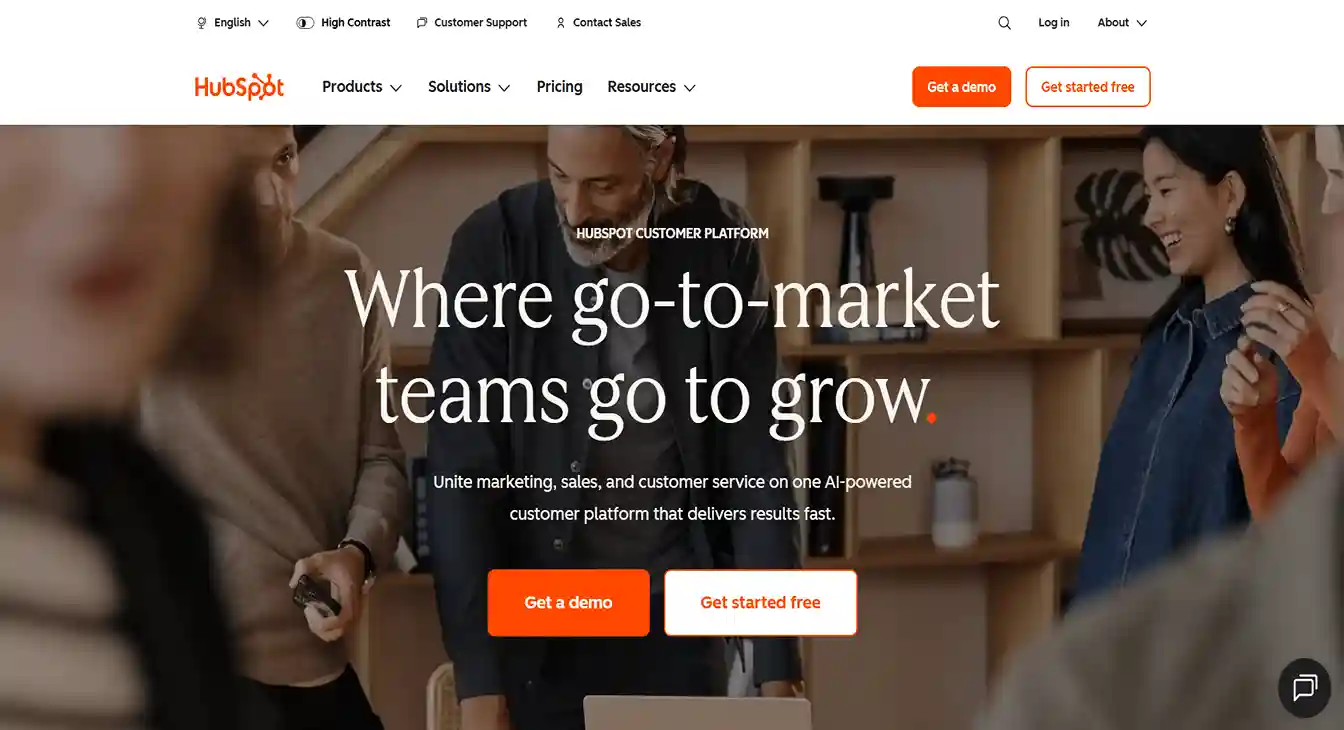
HubSpot Sales Hub lets you track emails, score leads, run sequences, and integrate native CRM. It’s a solid choice if you want an easier way to start without so many tools.
6. Apollo.io
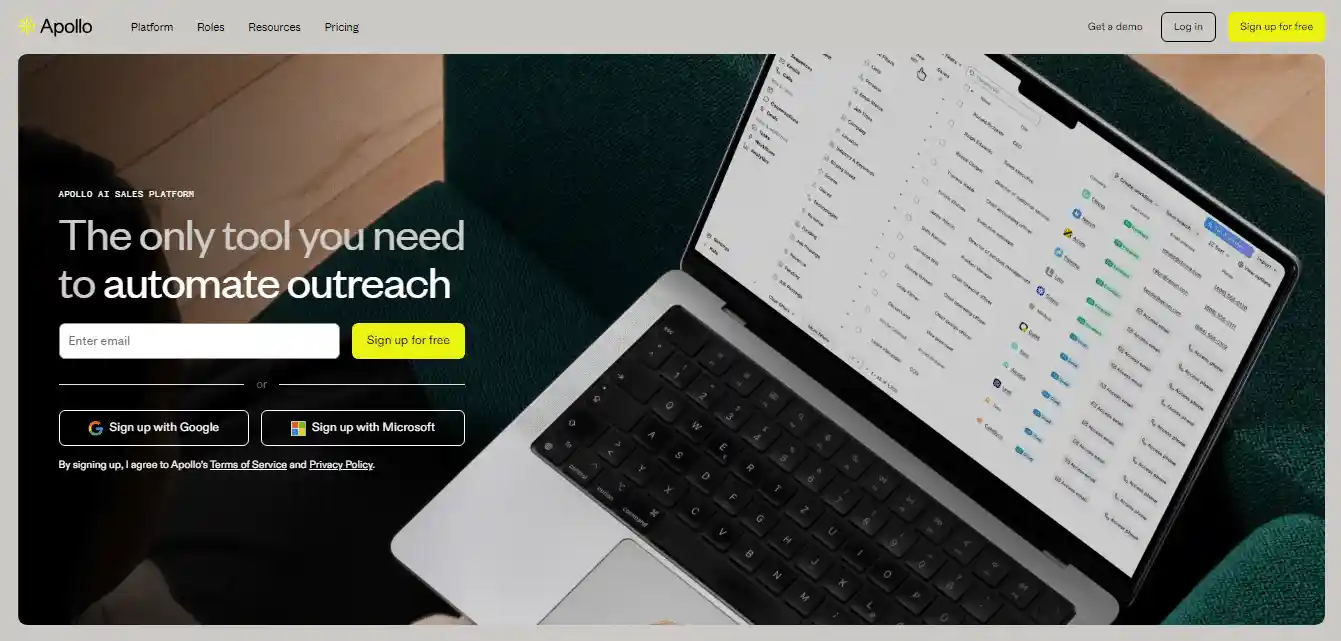
Apollo gives access to millions of contacts, lets you build sequences, and enriches data all in one platform.
7. LinkedIn Sales Navigator
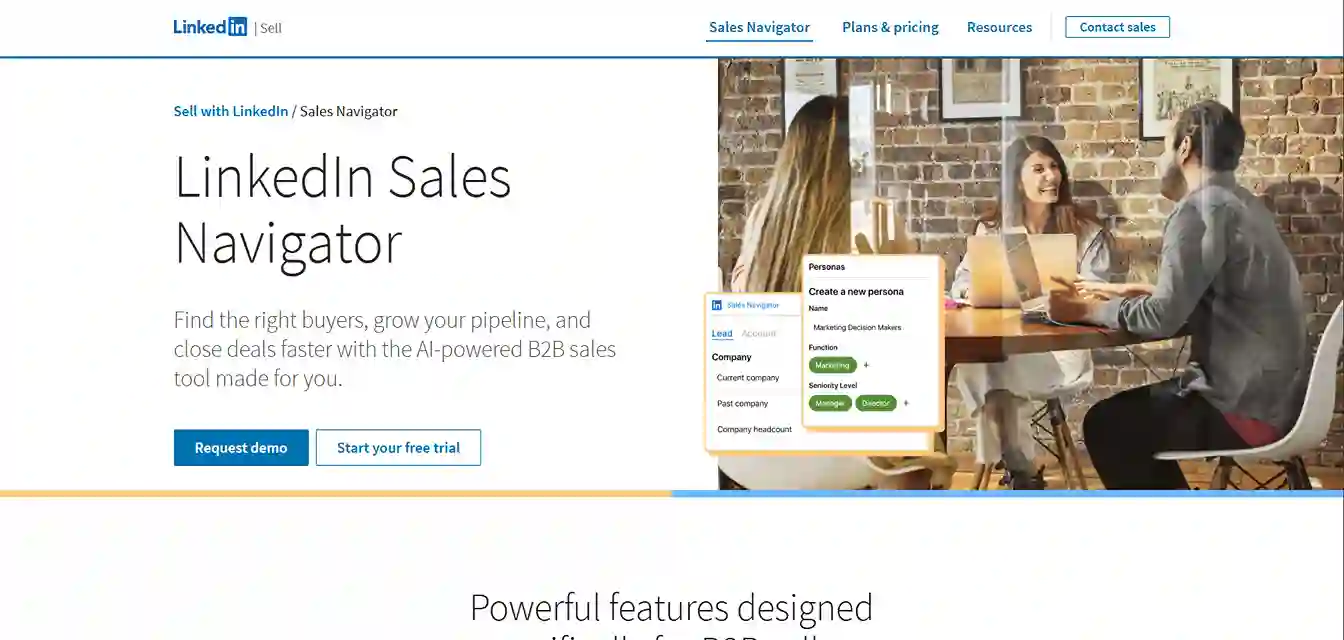
Sales Navigator helps you find leads on LinkedIn with advanced filters, alerts, and saved lists. It works well with CRM and outreach platforms.
8. Smartlead
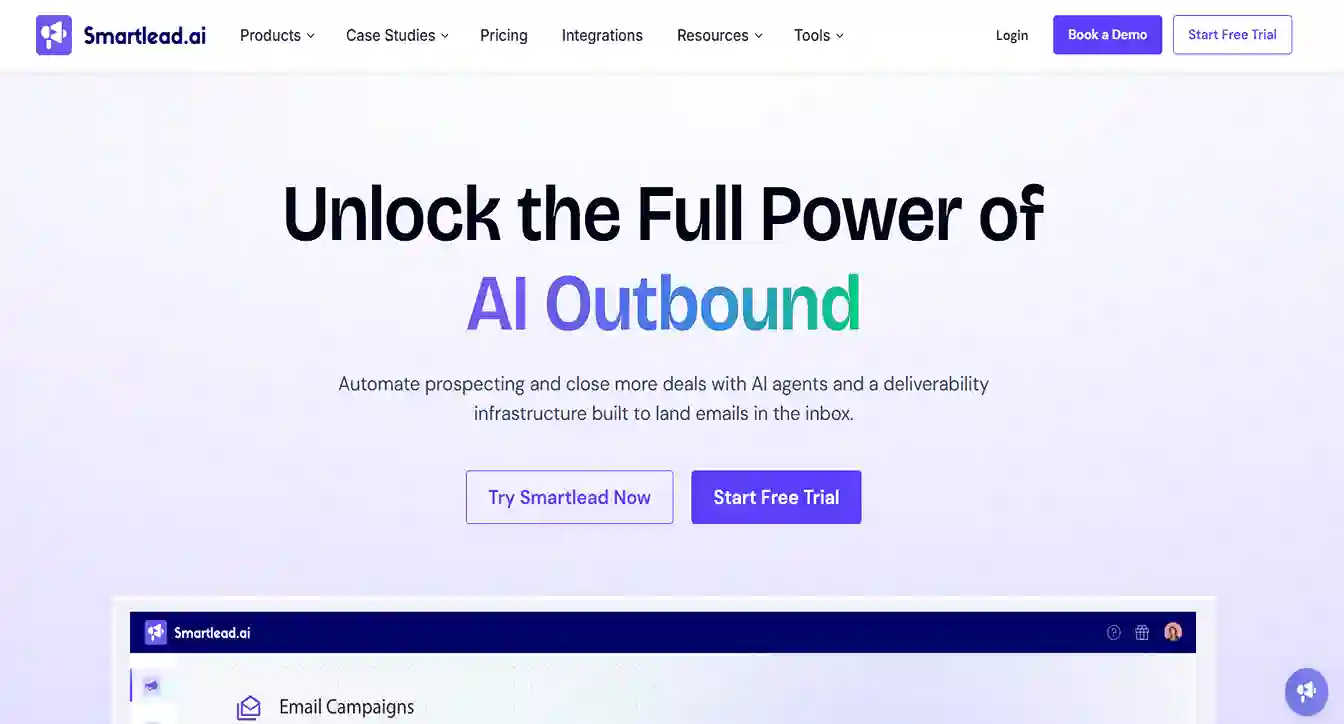
Smartlead helps you send multi-channel campaigns with personalisation and inbox rotation so your outreach stays healthy and effective at scale.
9. Lemlist
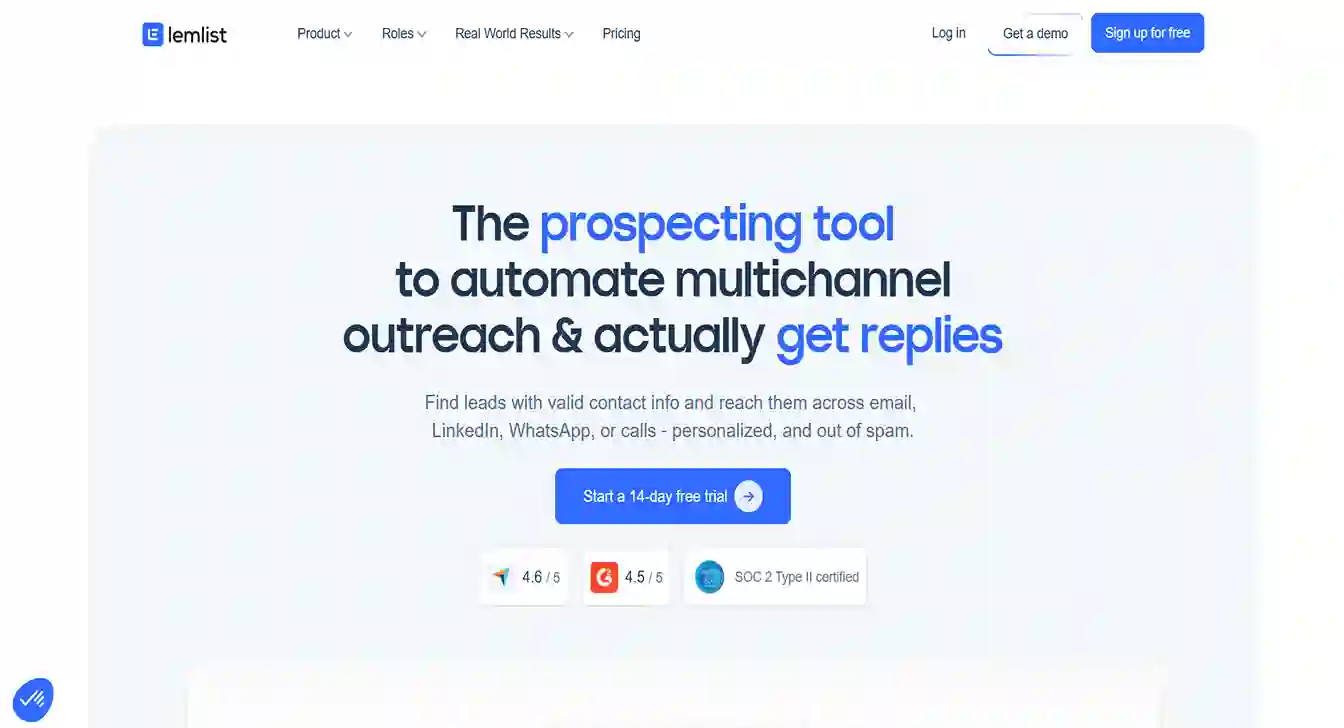
Lemlist lets you build cold email sequences with dynamic personalization and even images or videos to stand out in inboxes.
10. Woodpecker
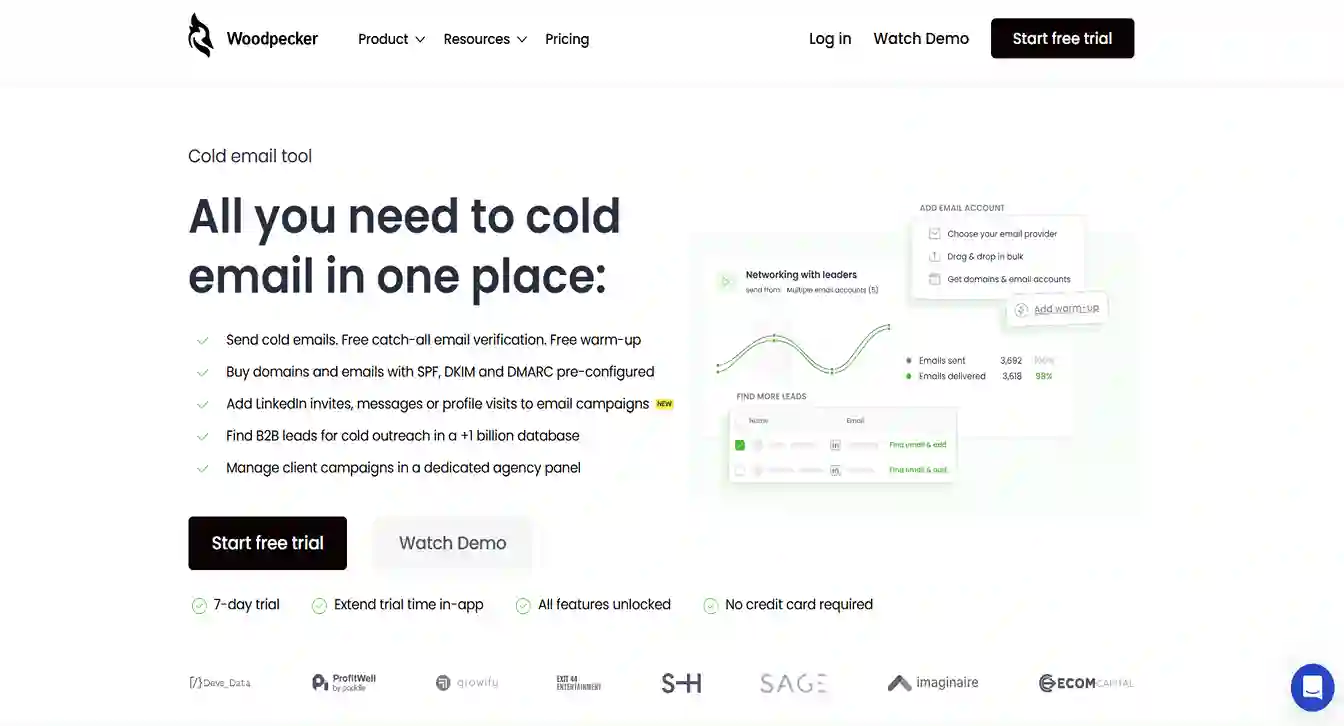
Woodpecker focuses on email sequences and warm-up features to keep your domains healthy and improve deliverability.
How to Pick the Right Outbound Sales Software
You don’t need all of these tools. What matters most is choosing the right ones for your sales process. Here’s how to decide:
Start With Your Target Audience
Ask:
- Who are you selling to?
- When are they ready to buy your offerings?
- Where do they hang out online?
- What channels do they respond best to?
Pick Tools by Job
Choose one tool for each core job:
- Data & signals (lead discovery).
- Outreach & engagement.
- CRM & record keeping.
- Social prospecting.
Too many tools doing the same thing can slow your team down.
Check Integrations
Make sure tools integrate with your CRM and each other. It keeps data flowing correctly and avoids manual imports.
Common Mistakes With Outbound Automation
Even good automation can fail if you make these mistakes:
Sending generic, one-size-fits-all emails.
Ignoring data quality and verification.
Not using CRM properly.
Skipping follow-ups
Automation should speed up work, not replace thoughtful strategy.
In Closing
Outbound sales automation is now a must for any sales team that wants to scale. Tools like AgentsVerse Cloud make it easier to find high-intent leads, while other tools help you engage and manage those leads.
Choose the right stack, keep your data clean, and focus on meaningful outreach. When done right, automation helps you save time, reach more prospects, and close more deals in 2026 and beyond.
To know more, explore the AgentsVerse Cloud blog section!
FAQs
1. What is outbound sales automation?
Outbound sales automation is the use of software and AI tools to automate outbound sales tasks like lead discovery, contact verification, data enrichment, and outreach through email or social platforms. It helps sales teams save time and scale outreach faster.
2. What is the exact outbound sales meaning?
The outbound sales approach refers to a sales approach where businesses proactively reach out to potential customers through cold emails, calls, or social media instead of waiting for customers to contact them.
3. How is outbound sales software different from manual sales tools?
Outbound sales software automates tasks that are usually done manually, such as finding leads, verifying emails, enriching data, and sending follow-ups. Manual tools require more time and effort and are harder to scale.
4. What is automated sales prospecting, and why is it important?
Automated sales prospecting uses AI and automation to identify potential customers, gather accurate contact details, and keep lead data updated. It is essential because it improves lead quality and reduces manual research work.
5. Do I need an outbound sales CRM with automation tools?
Yes, using an outbound sales CRM with automation tools helps manage leads, track outreach, and monitor responses in one place. It creates a smooth workflow from prospecting to closing deals.
Ready to Transform Your Lead Generation?
Join founders and GTM teams using AgentsVerse Cloud to find just-funded companies daily.
Start a trial →